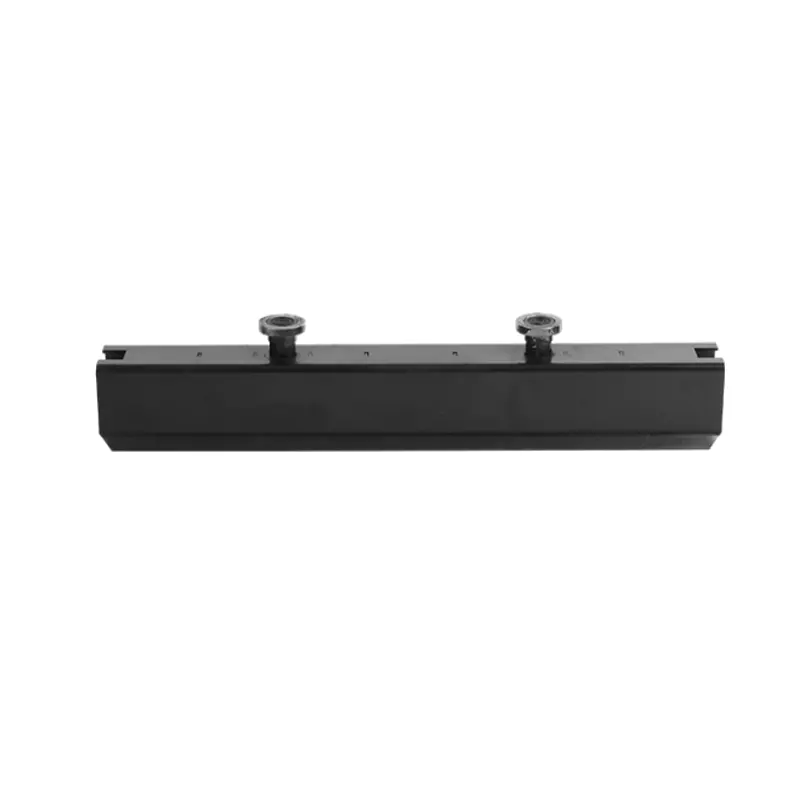

What Concrete Spacers Do and Why Cover Depth Matters
Concrete spacers are small support devices placed between reinforcing steel and the formwork to maintain a fixed, uniform gap known as concrete cover. This gap protects the rebar from moisture, chloride ingress, and carbonation, all of which accelerate corrosion and shorten the working life of a structure. Without consistent spacer placement, cover thickness can vary by several centimeters across a single pour, leading to exposed steel in some areas and wasted concrete in others.
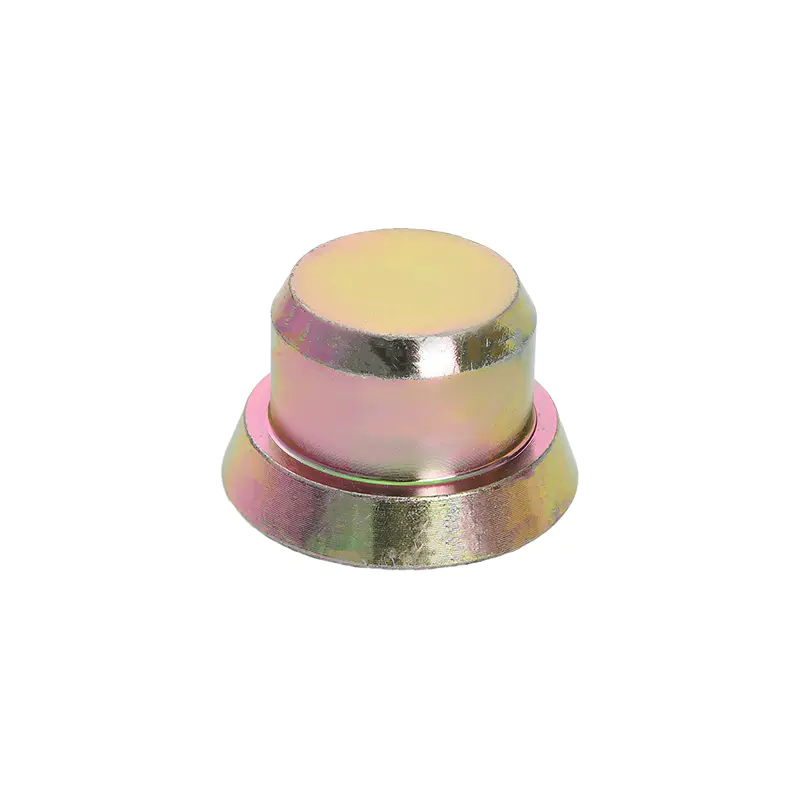
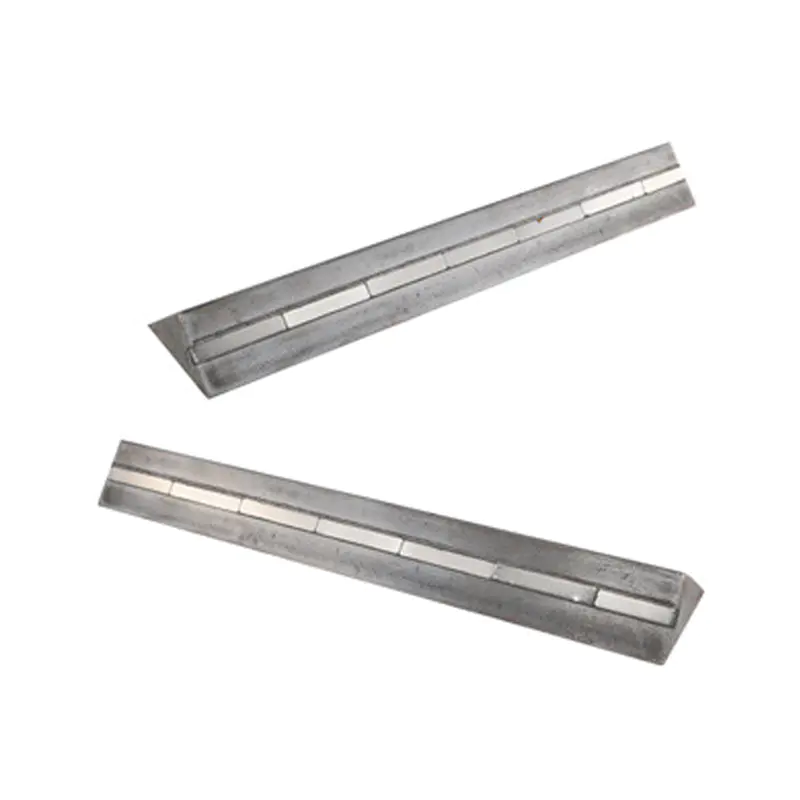
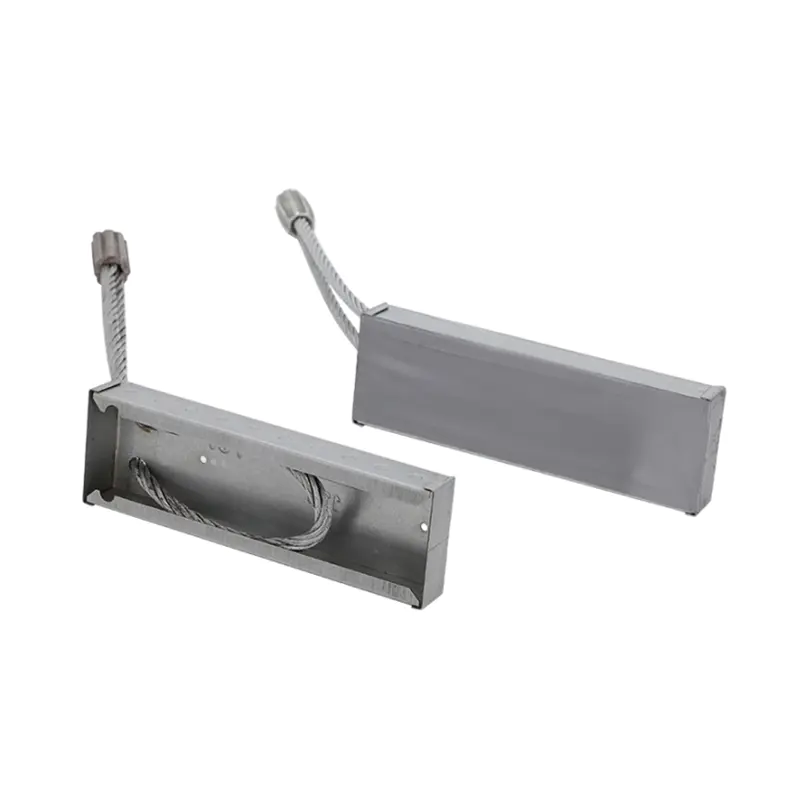
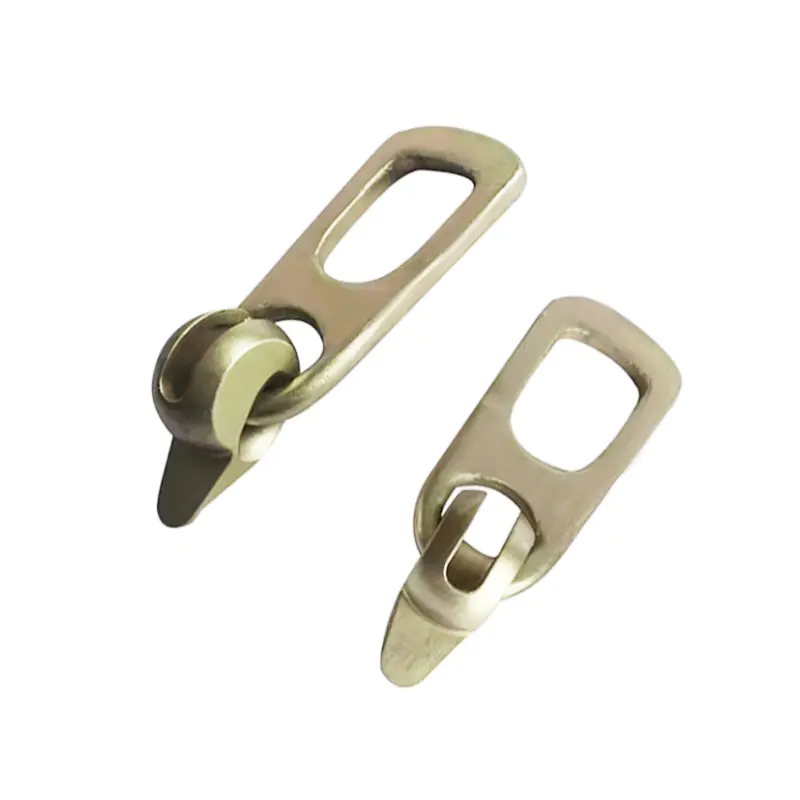
In precast concrete production specifically, spacers are not an afterthought item, they are one of the recurring Precast Concrete Accessories ordered alongside lifting anchors, formwork ties, and curing compounds. Because precast elements are cast in controlled factory conditions and then transported and erected on site, the tolerance for cover deviation is often tighter than cast-in-place work, since structural inspection happens before the element ever leaves the yard.
The core function of any spacer, regardless of material, is to hold rebar cages or mesh away from the mold surface during vibration and pouring, then either remain embedded permanently or be removed depending on the design. Most modern projects use permanent spacers since removal damages the surrounding concrete and creates a new void that needs patching.
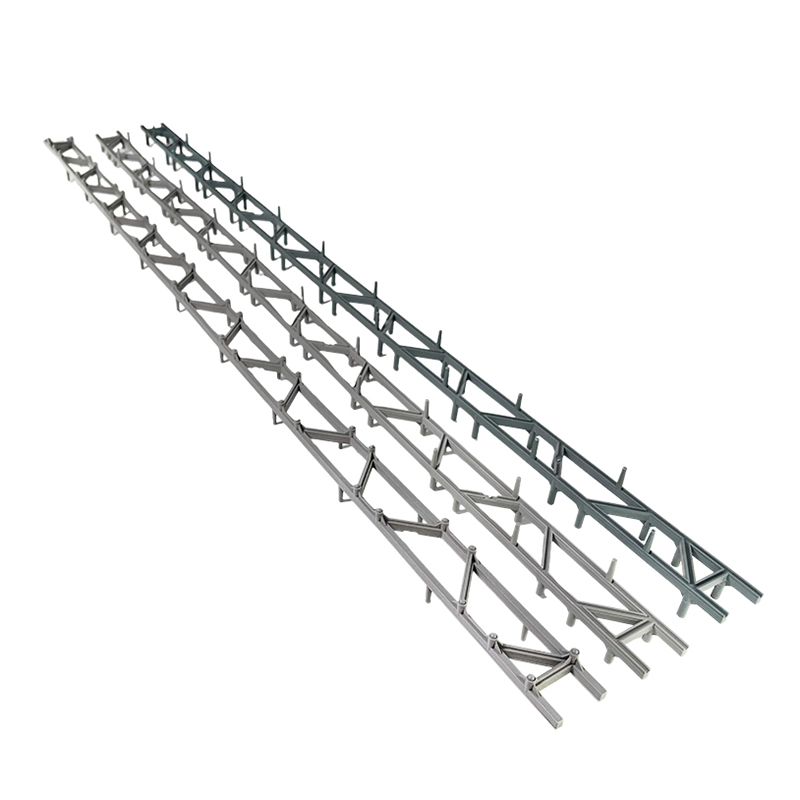
Common Types of Concrete Spacers Used in Precast Work
Spacer selection depends on exposure class, load on the rebar cage during placement, and the finish quality required on the visible face. The four families below cover most precast and cast-in-place applications.
- Plastic wheel and clip spacers: molded from polypropylene or PVC, these snap directly onto rebar and are the most common choice for slabs, walls, and precast panels because they are lightweight and inexpensive per unit.
- Wire bar spacers (continuous chairs): formed from galvanized or stainless steel wire, these support longer runs of rebar mesh and are favored on flat precast slabs where a continuous, rigid line of support reduces sagging between individual point spacers.
- Concrete and mortar spacer blocks: small precast cubes or discs made from the same or similar mix as the surrounding pour, chosen when the spacer needs to bond chemically and thermally with the host concrete, common in marine and heavy infrastructure work.
- Fiber-reinforced composite spacers: a newer category combining glass fiber with resin, used where corrosion resistance must exceed standard plastic and where the spacer sits close to a finished, exposed concrete surface.
Each type pairs with a specific rebar diameter range and cover target, and most manufacturers publish a sizing chart that lists the spacer height in millimeters against the intended cover depth, since the two numbers are not always identical once the wheel base width is factored in.
How Spacers Fit Into the Precast Production Sequence
Precast yards follow a repeatable sequence for every mold cycle, and spacer placement happens at a fixed point in that sequence rather than being adjusted on the fly. Understanding the order helps explain why spacer quality and consistent sizing affect the whole production rate, not just the individual element.
- The rebar cage or mesh is assembled on a jig or directly inside the mold, with spacers clipped onto the bottom and side bars before the cage is lowered into place.
- Quality control checks cover depth at multiple points along the cage using a cover meter or simple ruler check against the spacer height, since a single missing spacer over a two to three meter span is enough to let the cage sag during vibration.
- Concrete is poured and vibrated, and the spacers hold their position through the vibration cycle, which is why wheel-type spacers with a wide flat base are preferred over point-contact designs on horizontal pours.
- After curing and demolding, the visible face is inspected, and any spacer that has shifted or telegraphed a discoloration mark through the surface is logged for the next batch's quality review.
Yards that standardize spacer type and supplier across a project report fewer cover-related rejections during final inspection, simply because the placement crew is working with one familiar product rather than switching between brands mid-pour.
Material Comparison: Plastic, Wire, and Concrete Spacers
The table below summarizes the practical differences between the three most widely used spacer materials, based on typical specification sheets and field handling notes rather than a single laboratory source.
| Material | Typical Use | Cost per Unit | Surface Finish Risk |
|---|---|---|---|
| Plastic wheel/clip | Slabs, walls, panels | Low | Low to moderate |
| Wire continuous chair | Flat mesh, long slabs | Moderate | Moderate, rust staining if uncoated |
| Concrete/mortar block | Marine, heavy infrastructure | Moderate to high | Low, matches host material |
For most general precast accessories orders, plastic spacers remain the default because they cover the widest range of cover depths with one product family, while wire and concrete options are reserved for projects with a specific exposure or finish requirement written into the spec.
Spacing and Cover Depth Guidelines
While exact cover requirements vary by exposure class and local building code, most precast specifications fall within a few common bands. The figures below reflect widely used industry ranges rather than a single fixed rule, and the project drawings always take precedence over these general numbers.
- Internal, dry-condition elements: cover typically specified between 20mm and 25mm.
- External elements exposed to weather: cover typically increases to 30mm to 40mm.
- Marine or de-icing salt exposure: cover often specified at 50mm or higher, frequently paired with concrete or composite spacers rather than plastic.
- Spacer spacing along a horizontal bar: a common field rule is one spacer roughly every 600mm to 1000mm, tightened up where the cage is heavier or the bar diameter is larger.
Because these bands shift with bar diameter, slab thickness, and exposure class, most precast yards keep a printed reference chart near the rebar assembly station so the placement crew does not need to recheck the drawings for every cage.
Selection Criteria When Sourcing Spacers and Related Precast Concrete Accessories
Buyers comparing spacer suppliers usually weigh a handful of practical factors rather than price alone, since a cheaper spacer that fails to hold position during vibration ends up costing more in rework.
Load-bearing capacity under vibration
A spacer needs to resist the lateral force generated by a poker vibrator without tipping or crushing. Wider base wheels and ribbed clip designs generally hold position better on dense rebar cages than narrow point spacers.
Compatibility with mix design
Spacers made from the same cementitious base as the pour reduce the chance of a visible color or texture difference appearing on the finished face, which matters most on architectural precast panels left exposed without cladding.
Packaging and on-site handling
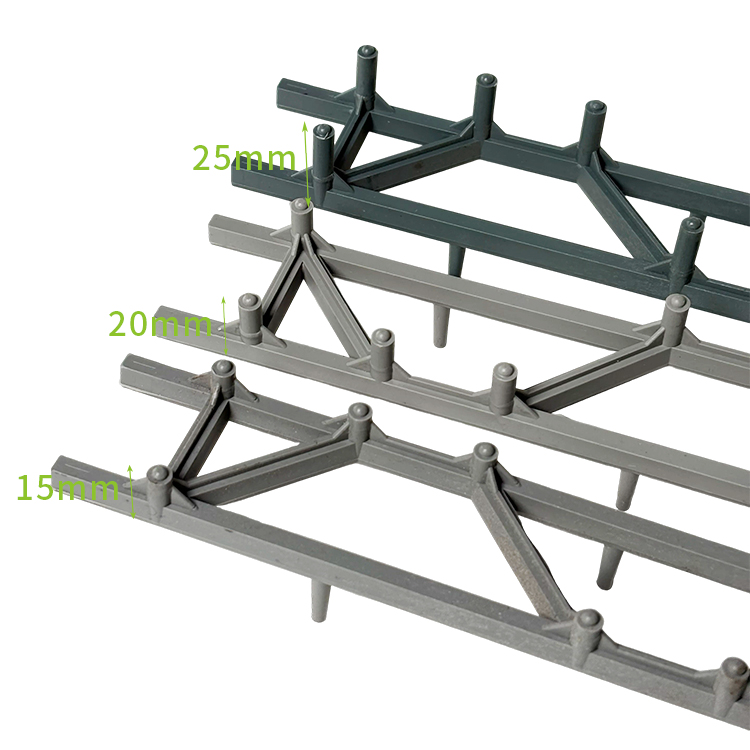
Bulk-packed spacers sorted by size reduce mix-ups on a busy production line, and many manufacturers now color-code spacer height by millimeter size so crews can identify the right part without measuring each one individually.
Common Mistakes That Lead to Cover Failures
| Issue Observed | Usual Cause |
|---|---|
| Exposed rebar after demolding | Spacer height mismatched to cover spec, or spacer missing along the span |
| Rust streaks on finished surface | Uncoated wire spacer used where plastic or coated wire was specified |
| Cage sagging mid-span | Spacer spacing too wide for the bar diameter and cage weight |
| Visible spacer outline on exposed face | Spacer material color or texture mismatched with mix design |
Most of these issues trace back to a single root cause: spacer selection treated as a minor purchasing decision rather than a specification item checked against the drawings before the order is placed.
Frequently Asked Questions
What is the difference between a spacer and a chair?
The terms overlap in everyday use, but generally a chair refers to a continuous or larger support unit holding mesh or multiple bars off the mold, while a spacer often refers to a single point-contact unit clipped to one bar.
Can plastic spacers be used in marine precast elements?
Plastic spacers are usually avoided in marine exposure because of long-term UV and salt degradation concerns, with concrete or composite spacers preferred instead for that exposure class.
How many spacers does a typical precast slab need?
It depends on slab size and bar diameter, but a common field approach is placing spacers on a grid no wider than 800mm to 1000mm apart in both directions for a standard floor slab.
Do spacers need to match the concrete color?
Only on exposed architectural faces where appearance matters. For elements that will be cladded, painted, or buried, color matching is not a practical concern.
What happens if the wrong spacer height is used?
Cover depth will be either too shallow, increasing corrosion risk, or too deep, which can reduce the structural effectiveness of the rebar and waste material. Either outcome typically requires a documented deviation review before the element is approved.